Gansu’s Ice & Snow Resorts Turn Winter into a Growth Engine
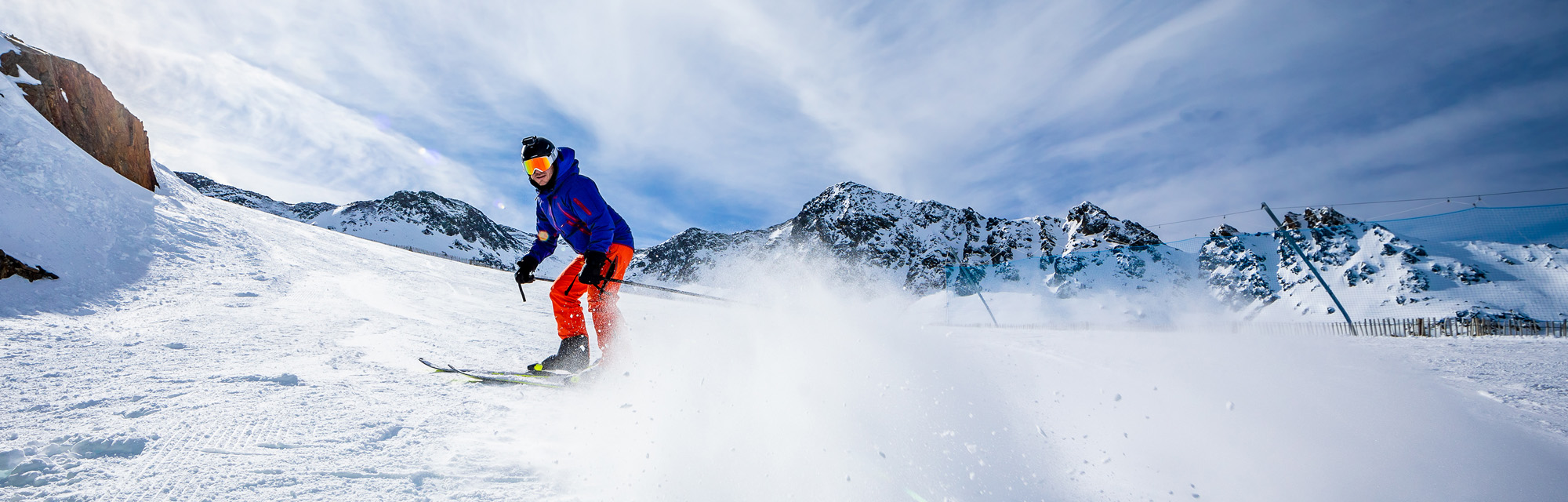
At the foot of Wushaoling Mountain in Gansu, winter is no longer a quiet off-season. In Tianzhu Tibetan Autonomous County, the sounds of Tibetan circle dances now blend with the hum of snow machines as Wushaoling International Ski Resort emerges as a flagship of China’s northwestern ice-and-snow strategy. Perched at 2,800 meters, the resort is helping transform the historic Hexi Corridor into a modern destination for integrated cultural tourism.
This local shift mirrors a national trend. According to the China Ice and Snow Tourism Development Report (2026), China’s ice and snow industry is projected to surpass RMB 1 trillion in 2025 for the first time, driven by a year-on-year visitor increase of around 10 percent in the 2025–26 season.
As one of Gansu’s largest high-mountain ski resorts, Wushaoling offers 11 ski runs, a snow-making area of approximately 200,000 square meters, and a peak capacity of 6,000 skiers. Beyond the slopes, the experience extends into culture and lifestyle. Visitors can transition seamlessly from skiing to Tibetan folk performances, traditional gorshey circle dances, and local cuisine such as yak butter tea—turning a single-sport visit into a layered holiday experience.
This “ski + culture” model is delivering tangible economic results. Resorts that combine sports with cultural activities have seen average visitor stays increase from 1.5 days to 2.4 days, significantly lifting spending on local food, handicrafts, and services.
The momentum is spreading across the province. In Wuwei, authorities have rolled out winter tourism programs centered on ice and snow sports to stimulate consumption and revitalize the seasonal economy. Further east in Jinchang, Nanba Ski Resort is pairing winter sports with local heritage, staging Jiezi Dance performances—recognized as a provincial-level intangible cultural heritage—during ice and snow festivals.
These initiatives are designed to appeal to families and younger audiences. Youth ski competitions, school-organized training programs, and ski vouchers have lowered participation barriers and nurtured grassroots engagement. Jinchang has also introduced themed winter travel routes linking skiing with historical sites, science attractions, and rural experiences, supported by coordinated promotions across hotels, restaurants, and retail.
Together, these efforts show how Gansu is leveraging ice and snow not just as a seasonal attraction, but as a strategic driver for cultural tourism, youth sports development, and sustainable consumption growth—an approach increasingly relevant to the broader winter sports industry across China.
Source:
Gansu resorts grasp ice and snow strategy to boost consumption