China Tourism: Cold Destinations Become Hot Picks as Southern Travelers Head North to Ski


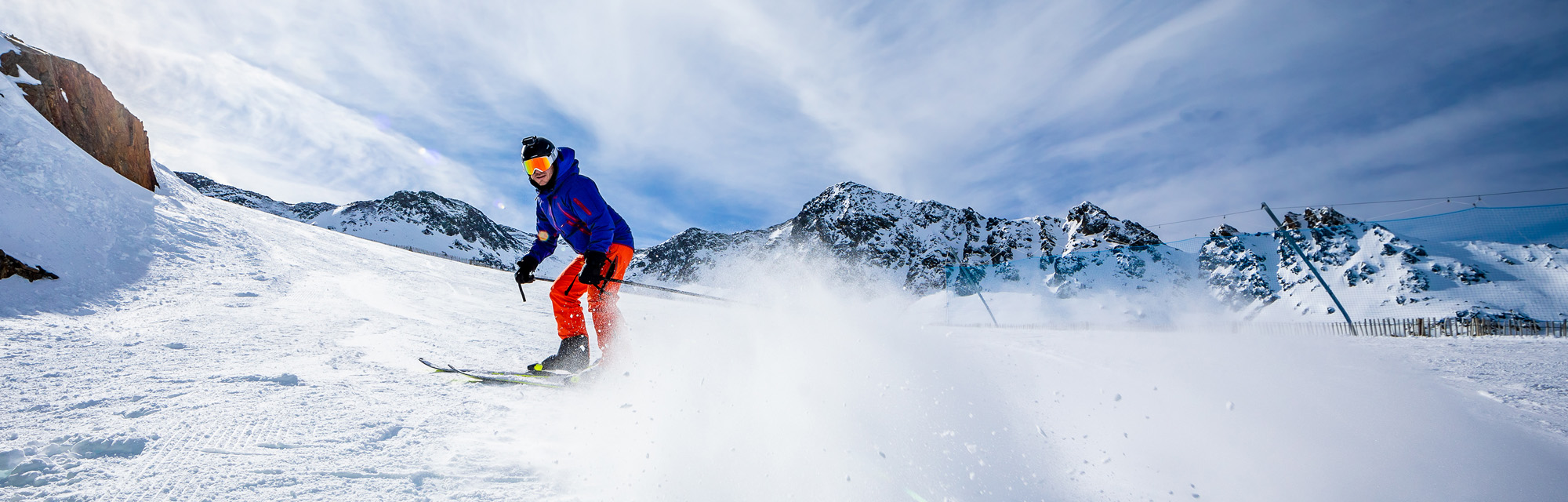
As temperatures drop and the holiday season approaches, ski resorts in northern China are seeing a surge in visitors from southern regions. This trend is benefiting not only resort operators but also airlines, including those linked to Malaysia-based Genting Group.
Since the ski season officially opened on November 15, Changbai Beautiful China Resort in Jilin province, operated by China Green Development Group, has welcomed more than 110,000 visitors, representing a nearly 40 per cent year-on-year increase. Over 80 per cent of these visitors came from southern China, a significantly higher share than in previous years. The peak season is expected to run from Christmas through the Spring Festival.
The resort said this growth reflects sustained interest among southern consumers in winter tourism experiences, which has become a key driver of revenue performance.
“South China’s core source markets are concentrated in the Yangtze River Delta and the Guangdong,Hong Kong,Macau Greater Bay Area, with major hubs including Shanghai, Shenzhen and Guangzhou,” said Xia Yuan, Brand Development and Marketing Manager at Changbai Beautiful China Resort. “Beyond skiing, attractions such as hot springs, art galleries and night tours have also helped boost visitor traffic.”
Data from three of the resort’s hotels shows that women aged 30 to 39 form the core customer segment among Greater Bay Area travellers, and that visitors from the region tend to stay longer than those from other areas.
Improved transportation has played a key role in driving demand. The launch of the Shenyang–Changbaishan high-speed rail line in September, together with expanded flight connectivity to ice-and-snow destinations, has significantly improved travel convenience for southern tourists.
According to Tongcheng Travel, flight bookings from Hong Kong to Shenyang rose 60 per cent year on year in November, while Macau–Shenyang bookings increased by 40 per cent. Bookings from Hong Kong to Urumqi also climbed by more than 40 per cent.
Zhangjiakou: A Major Beneficiary of China’s Snow Tourism Boom

Zhangjiakou, a co-host city of the 2022 Beijing Winter Olympics located about 160 kilometres northwest of Beijing, is another major beneficiary of rising snow tourism demand.
From November to the first week of December, ski bookings in Zhangjiakou surged 150 per cent year on year, ranking it as the top ski destination nationwide, according to Fliggy, the travel platform of Alibaba Group.
Fliggy noted that winter-themed travel products typically involve longer itineraries and higher spending compared with short-distance urban trips. The expansion of these offerings has encouraged growing demand for colder destinations, while their immersive nature has also supported repeat visitation.
Genting Snow Park in Zhangjiakou, owned by Malaysia’s Lim brothers chairmen of VXL Group and Genting Group reported a 30 to 40 per cent increase in skier numbers compared with last year. Southern visitors accounted for 10 to 20 per cent of total guests, a higher proportion than in previous seasons.
The increase in interest has been driven by anticipation of the 2026 Milan–Cortina Winter Olympics, as well as recent International Ski and Snowboard Federation (FIS) competitions and related events held in Zhangjiakou.
Many southern Chinese skiers have developed their skills at indoor ski facilities in cities such as Shenzhen, home to the world’s largest indoor ski venue, Qianhai Huafa Snow World, which opened in late September.
“Building on this foundation, skiers are now eager to challenge themselves at outdoor alpine resorts with longer slopes and greater vertical drops,” said Zhao Qiong, General Manager of Fengyun Zhangjiakou Sports Event Management.
Indoor Ski Venues Fuel Long-Term Market Growth

Meanwhile, Taicang Alps Resort, an indoor ski venue near Shanghai owned by Fosun Tourism Group, has recorded more than 500 million yuan (US$70.8 million) in sales and welcomed over 2 million visitors since opening two years ago. Located in Taicang, Jiangsu province, about one hour from Shanghai, the resort began construction of its second-phase expansion in June, following a total investment exceeding 5 billion yuan.
According to a directive issued by the State Council, China aims to grow its snow and ice economy to 1.2 trillion yuan by 2027 and 1.5 trillion yuan by 2030. The sector covering tourism, recreation, training, events and equipment manufacturing is expected to become a key driver of domestic consumption growth in the coming years.
Source :
South China Morning Post (SCMP)