Frontline Report | What Did the First “Snow Holiday” Achieve?
This winter, the concept of a “snow holiday” has become a major topic of discussion. Starting from December 1, primary and secondary school students in places such as Altay and Urumqi in Xinjiang welcomed their first-ever “snow holiday.” Combined with weekends, some students could enjoy up to nine consecutive days off. Meanwhile, Jilin Province designated December 3 to 7 as an official “Snow Holiday.”
What kind of experiences has the “snow holiday” brought to children? How have schools, families, and society responded?
Snowboards in Extremely High Demand
The arrival of the snow holiday has fully ignited children’s enthusiasm for winter activities, and ice and snow venues across different regions quickly saw surging crowds.
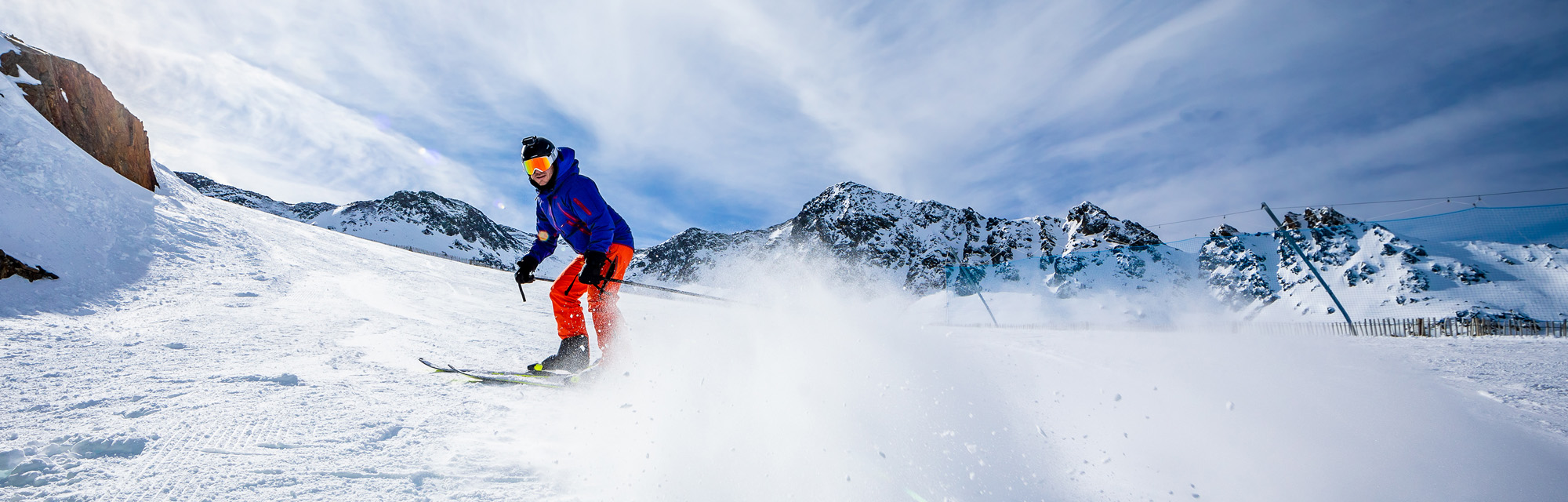
“Going skiing with my good friends is so much fun. We already agreed that we’ll come here every day during the snow holiday,” said Qiye Dong , a student from Altay Experimental Primary School, who arrived early with friends at General Mountain International Ski Resort on the first day of the holiday to enjoy skiing.
According to Jiaxi Li, principal of the General Mountain Ski Academy, more than a thousand young people from Altay, Urumqi, and other areas visited the resort on the very first morning of the holiday. The popularity was comparable to the annual Spring Festival peak season.
In Urumqi, Silk Road Ski Resort was also packed with visitors, and snowboards were at one point almost impossible to rent. Jiaxi Li, deputy general manager of the resort, revealed that visitor numbers exceeded 20,000 on the first day of the snow holiday, far surpassing normal daily traffic.
Thousands of kilometers away in Jilin, crowds also filled the Namei Valley Tourism Resort in Jilin City on the first day of the holiday, with children’s laughter echoing throughout the resort.
“It’s like saying hello to a little squirrel. If you tilt the snowboard inward a little, you can turn smoothly,” explained Shi’an Pan, a student from Songjiang East Road Primary School in Jilin City. Under the guidance of instructors and with encouragement from classmates, he gradually mastered skiing techniques. “Now I’m brave enough to ski, and I want to keep skiing in the future.”
Beyond the excitement of winter sports, children’s holiday activities became increasingly diverse during the snow holiday. These “classrooms on the move” made learning extend far beyond simple entertainment.
During the holiday, museums, art galleries, libraries, and other cultural venues in Urumqi, the Altay region, and across Jilin Province opened free of charge to the public, becoming popular destinations for family outings.
“I specifically brought my child to visit the recently opened exhibition on Jilin’s modern history so they could better understand the history of our hometown,” said Yao Peng, a resident of Changchun.
Reporters found that the snow holiday created a particularly rich and colorful vacation experience. Some children chose ski resorts close to home, learning skiing skills through repeated practice and falls. Others visited museums and libraries, connecting textbook knowledge with real-life experiences. Some simply explored city streets and alleys with friends, filling the winter holiday with laughter and unforgettable memories.
How Are Parents' Concerns Being Addressed?
To ensure the snow holiday is both “fun” and “safe,” local governments introduced a range of supporting policies to ease parents’ concerns.
Several departments in Jilin Province jointly released the “2025 Jilin Ice and Snow Holiday Work Plan,” which clearly stated that compulsory education students would have a full holiday with no written homework assigned. Parents were also encouraged to participate by taking paid leave. Across the province, 36 ski resorts and 3 skating rinks offered free admission for young people during designated periods, while 171 A-level tourist attractions waived first-entry ticket fees for primary and secondary school students. In addition, 100 million yuan worth of ice and snow consumption vouchers were distributed to cover transportation, accommodation, and other expenses.
Urumqi introduced the “Six Policies for Enjoying the Snow Holiday,” integrating resources from scenic spots, ski resorts, and travel agencies to launch diverse cultural tourism products and multiple discount programs. Six major ski resorts offered free admission to all primary and secondary school students in Xinjiang, while guesthouse accommodations provided discounts of up to 30% off. Railway authorities also added 119 temporary trains to support educational and study-tour travel groups.
What about parents who still need to work during the holiday? Many regions explored solutions such as community childcare services and school-organized study programs, while different sectors collaborated to provide support.
Ms. Wang, a parent, shared in a group chat: “After coming home, my child kept talking about subway safety knowledge and even demonstrated emergency assistance methods. This kind of hands-on education is much more effective than simply reading from textbooks.”
With a model centered on “ice and snow activities as the core, study tours as support, and childcare as backup,” different sectors worked together to reduce parents’ worries while encouraging children to leave their homes, strengthen their bodies, and develop resilience through winter activities. This created a positive educational cycle that combines rest with learning and practical application.
Adding More Heat to Ice and Snow Tourism
The snow holiday has boosted not only sports activities but also the broader cultural and tourism industries.
Schools and communities in Urumqi launched educational programs focused on local history, cultural heritage, and company visits. Students from different grades and classes could freely choose the study-tour routes that interested them most.
Many regions also introduced tourism products combining winter sports, intangible cultural heritage experiences, and cultural study tours, helping the ice and snow economy enter its peak season earlier while stimulating urban development.
Zhong Shuru, deputy dean of the Tourism College at Xinjiang University, explained that the snow holiday avoids traditional peak travel periods such as New Year’s Day and the Spring Festival while creating concentrated leisure time for families with school-age children. This establishes new winter tourism consumption scenarios and effectively boosts related industries such as catering and transportation.
The economic spillover effects of the snow holiday are already becoming visible, stimulating consumption potential and regional development.
According to Qunar travel data, from December 3 to 7, ticket bookings for scenic attractions in Jilin Province increased by 13% compared with the same period last year. During the snow holiday in Xinjiang, scenic spot ticket bookings also rose significantly, increasing by 16% quarter-on-quarter.
The snow holiday has also become an ideal opportunity for off-peak travel, with residents from Jilin and Xinjiang showing strong enthusiasm for trips outside their regions. Data shows that from November 29 to December 7, flight bookings departing from Urumqi and Altay increased by more than 40%. Southern cities such as Sanya and Guangzhou became popular “winter escape” destinations for travelers from Jilin and Xinjiang, creating a two-way flow of tourism consumption alongside southern tourists traveling north to experience snow and ice activities.
In fact, establishing a snow holiday is about far more than simply giving children a few extra days off school. The experiences and highlights brought by this first snow holiday have already gone beyond regional significance. It reminds us that holidays can take many different forms, and education can happen in many different settings.
source:新华网